The Shoe That Changes the Outfit (Same Clothes, Different Person)
Put the same dress with trainers, then with a loafer, then with a sculptural heel, and you have three entirely different women — which tells you the shoe is not the finishing touch, it is the decision. Here is why shoes set the register, the swaps that transform an outfit, and how to choose.
Why Shoes Decide the Register
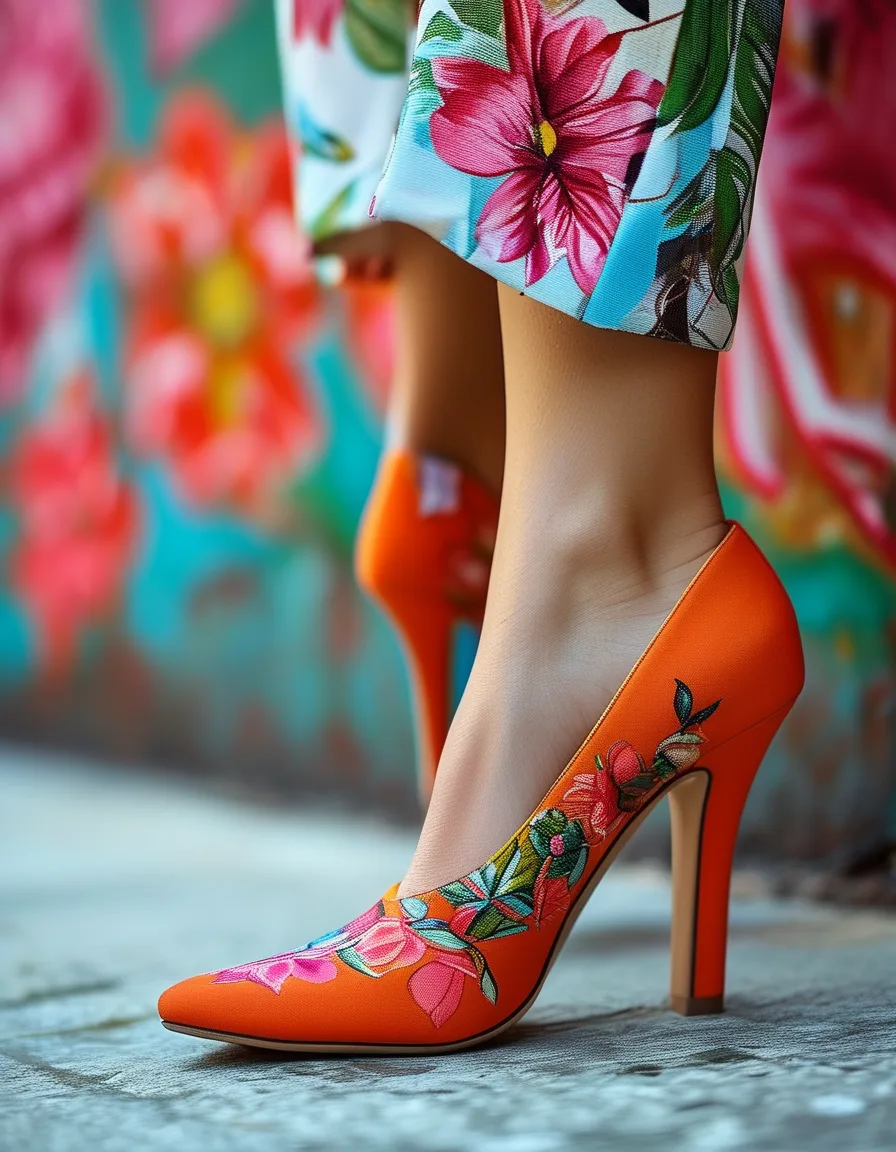
The deciding piece: the the-same-clothes-different-read (the identical clothes reading differently by shoe from the versatile-shoes logic — the same-clothes-different-read), the the-not-a-finishing-touch (the shoes being the decision, not the afterthought from the statement-shoes logic — the not-a-finishing-touch), the the-sets-formality (the the shoe setting the formality of the whole outfit from the versatile-shoes logic — the sets-formality), the the-changes-the-proportions (the the shoe altering leg line and proportion from the sculptural-heels logic — the changes-proportions), the the-signals-the-attitude (the the shoe signalling the outfit’s attitude from the statement-shoes logic — the signals-attitude), and the reframe (the shoe as the decision rather than the finishing touch — the same clothes reading as three different people depending on what is on your feet).
The Swaps That Transform
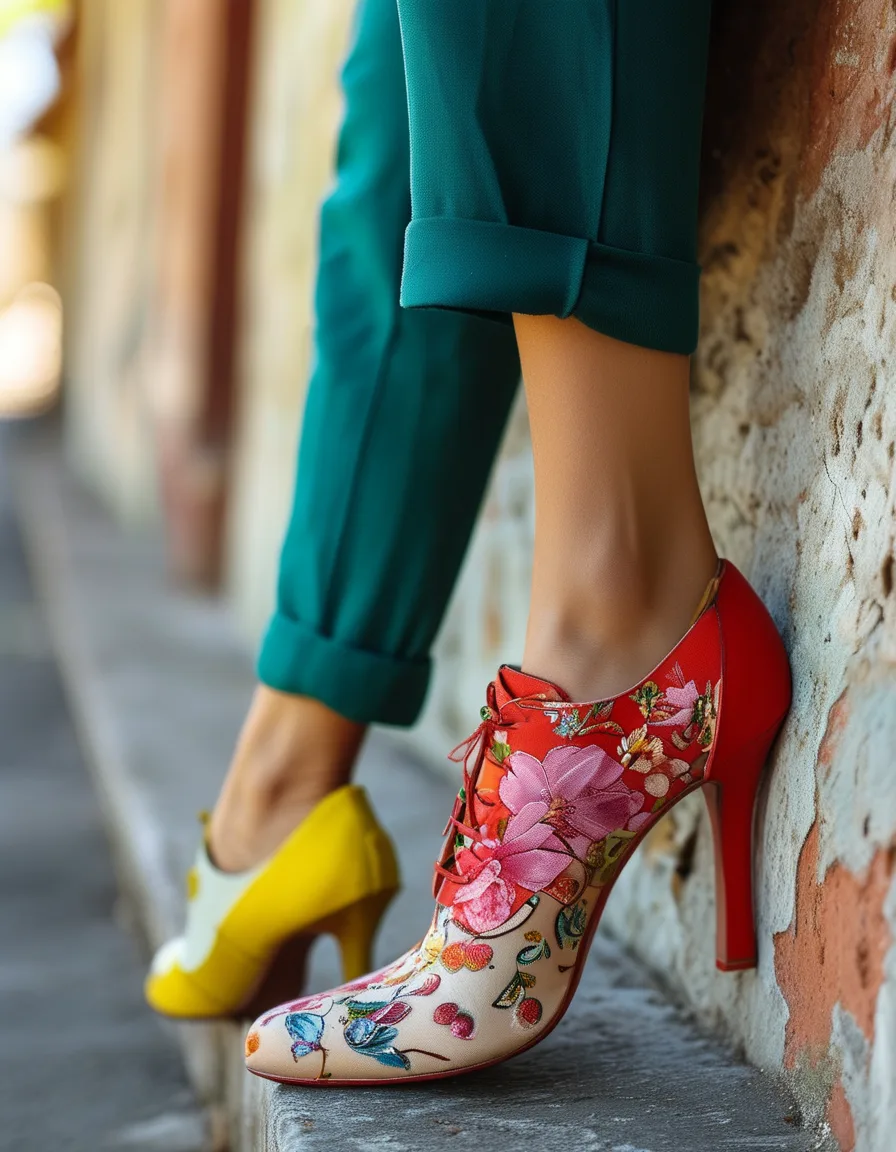
Shoe swaps that rewrite an outfit: the the-trainer-for-ease (the a trainer making anything casual and current from the comfortable-chic logic — the the-trainer), the the-loafer-for-polish (the a loafer adding quiet polish and precision from the versatile-shoes logic — the the-loafer), the the-ballet-flat-for-softness (the a flat softening and lightening a look from the comfortable-chic logic — the the-flat), the the-boot-for-grounding (the a boot grounding and hardening a soft outfit from the versatile-shoes logic — the the-boot), the the-heel-for-elongation (the a heel lengthening the line and raising the register from the sculptural-heels logic — the the-heel), the the-sculptural-heel-as-the-statement (the a sculptural heel becoming the outfit’s whole point from the sculptural-heels logic — the sculptural-heel), the the-slingback-for-between (the a slingback sitting between polished and easy from the versatile-shoes logic — the the-slingback), and the the-mule-for-nonchalance (the a mule adding deliberate nonchalance from the statement-shoes logic — the the-mule).
The Choosing Notes
Making the call: the the-decide-the-register-first (the deciding the outfit’s register, then choosing the shoe from the versatile-shoes logic — the register-first), the the-let-the-shoe-finish-the-leg-line (the the shoe completing the leg line with the hem from the sculptural-heels logic — the finish-the-leg-line), the the-comfort-is-not-optional (the comfort deciding whether you actually wear it from the comfortable-chic logic — the comfort-matters), the the-one-statement-only (the a statement shoe meaning a simpler outfit from the statement-shoes logic — the one-statement), the the-versatile-pairs-earn-their-place (the the most versatile pairs earning the most wear from the versatile-shoes logic — the versatile-earns), the the-colour-and-tone-continue-the-line (the shoe colour continuing or breaking the leg line deliberately from the sculptural-heels logic — the colour-continues-line), the the-try-the-outfit-with-two-options (the trying two shoe options before deciding from the versatile-shoes logic — the try-two), and the frame (the shoe as the deciding piece — trainer, loafer, boot or heel setting the register, proportion and attitude — same clothes, different person. Decide the register first, let the shoe finish the leg line, keep the outfit simple around a statement shoe, and try two options before you commit).
Put the same dress with trainers, then with a loafer, then with a sculptural heel, and you have three entirely different women — which tells you the shoe is not the finishing touch, it is the decision. Shoes decide the register because the same clothes read differently, they are not a finishing touch, they set formality, change the proportions, and signal the attitude. The swaps that transform: a trainer for ease, a loafer for polish, a ballet flat for softness, a boot for grounding, a heel for elongation, a sculptural heel as the statement, a slingback for between, and a mule for nonchalance. Choose by deciding the register first, letting the shoe finish the leg line, taking comfort seriously, one statement only, valuing versatile pairs, using colour to continue the line, and trying two options. Same clothes, different person.
Keep Reading
This article is for general styling and informational purposes only. Trends, sizing, availability and pricing may vary by brand and season.